
Spring into investing.
It’s the season to start investing - the new tax year is here and so are our offers.
> Open an ISA or Trading Account and get £100 of free trades.
> Open a SIPP and get £200 cashback.
New customers only. Cashback paid after 12 months. Terms apply.
How can we help you?
Why choose us?
- We're trusted by over 400,000 investors
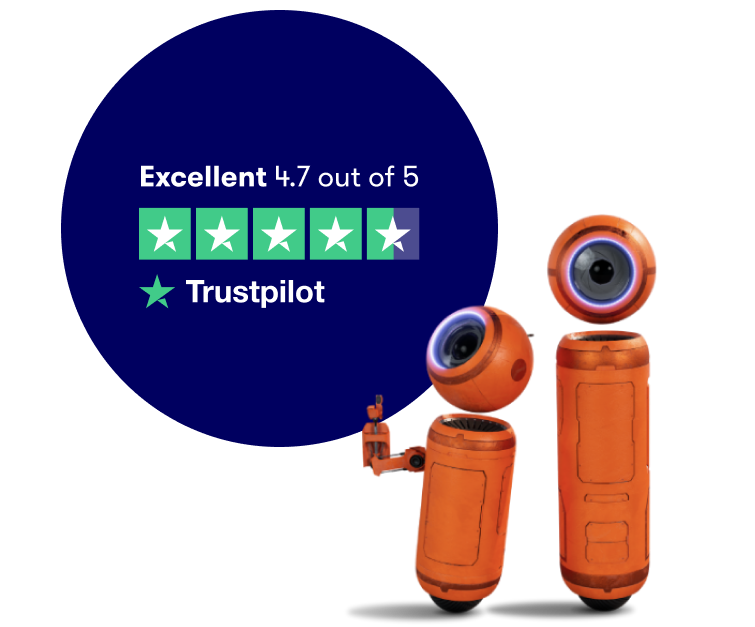
- Rated 4.7/5 with 22,000+ reviews on Trustpilot
- More than 50% of our customers have been with us for more than 10 years
- 25% of UK share trades are executed on the ii platform
- Our average hold time with our customer service team is under a minute
Open an account
Whether you are looking for a general trading account, an ISA or a SIPP, we’ve got you covered with a low, flat fee.
SIPP.
Take control of your pension with our £5.99 a month Which? Recommended SIPP.
Get £200 when you open a SIPP.
When you open an ii SIPP and fund it with £15,000 or more, we’ll give you £200 cashback.
And don't forget, transferring your pension to our SIPP counts towards the cashback. So if you’ve been thinking of transferring, here’s your chance to make the move to ii.
Offer ends 31 May 2024. New customers only. Cashback paid after 12 months. Terms apply.
Check before you transfer
Please check that you won’t lose any safeguarded benefits if you transfer. This could include guaranteed annuity rates or a lower protected pension age than the Normal Minimum Pension Age (rising from 55 to 57 in 2028). It’s also worth checking for any transfer-out charges.
It's important that you take enough time to decide whether transferring your pension is right for you. If you need more time and wish to qualify for this offer, please wait until the next offer period - we promote transfers to the ii SIPP on a regular basis.
Please remember, SIPPs are aimed at people happy to make their own investment decisions. Investment value can go up or down and you could get back less than you invest. You can normally only access the money from age 55 (57 from 2028). We recommend seeking advice from a suitably qualified financial advisor before making any decisions. Pension and tax rules depend on your circumstances and may change in future.
The best things in life are free trades.
Get the new tax year off to a flying start, with £100 worth of free trades when you open an ii ISA or Trading Account by 19 May 2024.
That means we'll cover the first £100 worth of your trading fees when you invest in anything, from Amazon to Zoom.
New customers only. Capital at risk. Other charges apply. Terms apply.
Important information - investment value can go up or down and you could get back less than you invest. If you're in any doubt about the suitability of a Stocks & Shares ISA, you should seek independent financial advice. The tax treatment of this product depends on your individual circumstances and may change in future. If you are uncertain about the tax treatment of the product you should contact HMRC or seek independent tax advice.
Latest News
Risk Warning: The price and value of investments and their income fluctuates: you may get back less than the amount you invested. If you are unsure about the suitability of a particular investment or think that you need a personal recommendation, you should speak to a suitably qualified financial adviser. Please note, the tax treatment of these products depends on the individual circumstances of each customer and may be subject to change in future. If you are uncertain about the tax treatment of the products you should contact HMRC or seek independent tax advice.